


Confidence, built at camp
confidence can’t be handed over.
Every parent wants to raise a confident, capable, kind kid. But confidence has to be built, one small brave choice at a time.
That’s what sleepaway camp does better than almost anywhere else, and it’s the heart of our trademarked CAMP™ philosophy.

Every match starts with who your child is right now: their personality, their passions, opportunities for growth, and what they’re ready for.
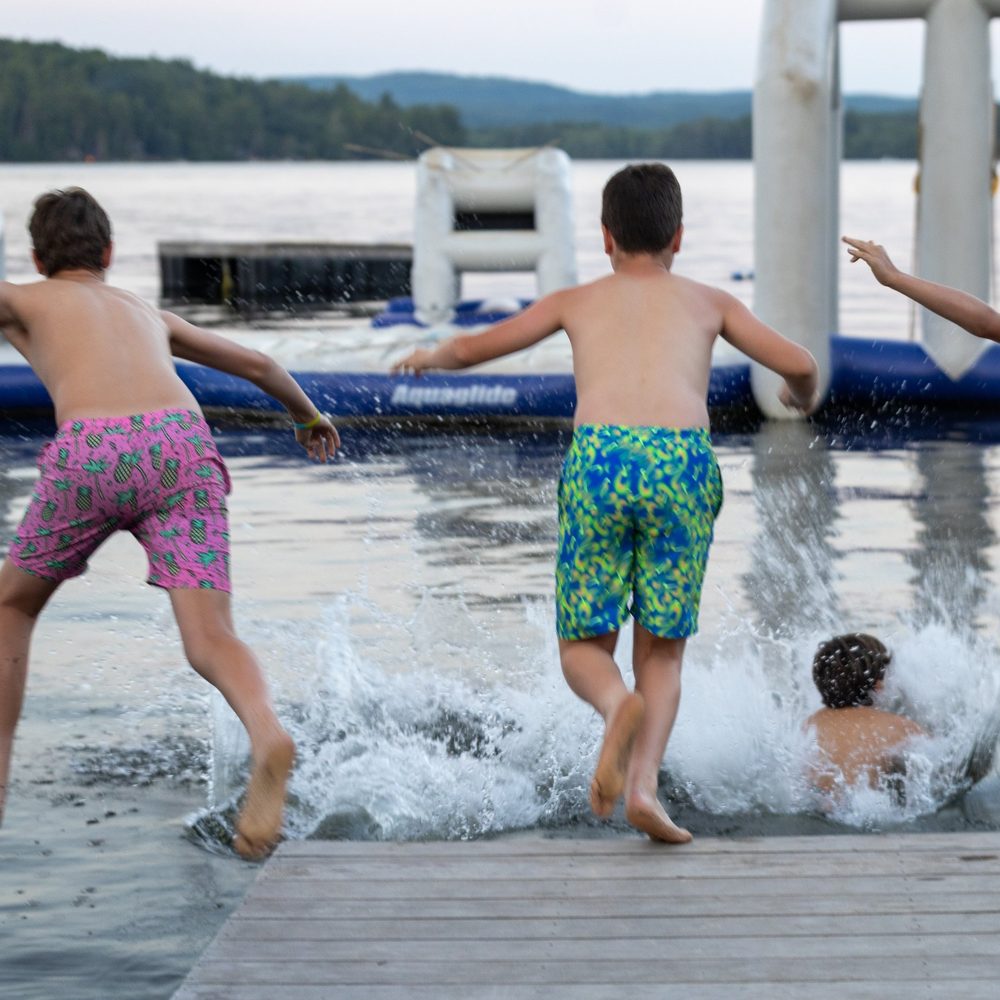
At camp, kids make choices that are truly theirs. What to try, who to sit with, how to handle a hard moment. Small decisions, made without a parent nearby, add up fast.
Independence is the means, not the end. Every time a camper solves a problem on their own, they learn they can.

That lesson comes home with them: kids who believe in themselves, speak up for themselves and are ready for what’s next.

Day to day at camp
what autonomy looks like.
It’s rarely one big moment. It’s dozens of small ones, every single day.
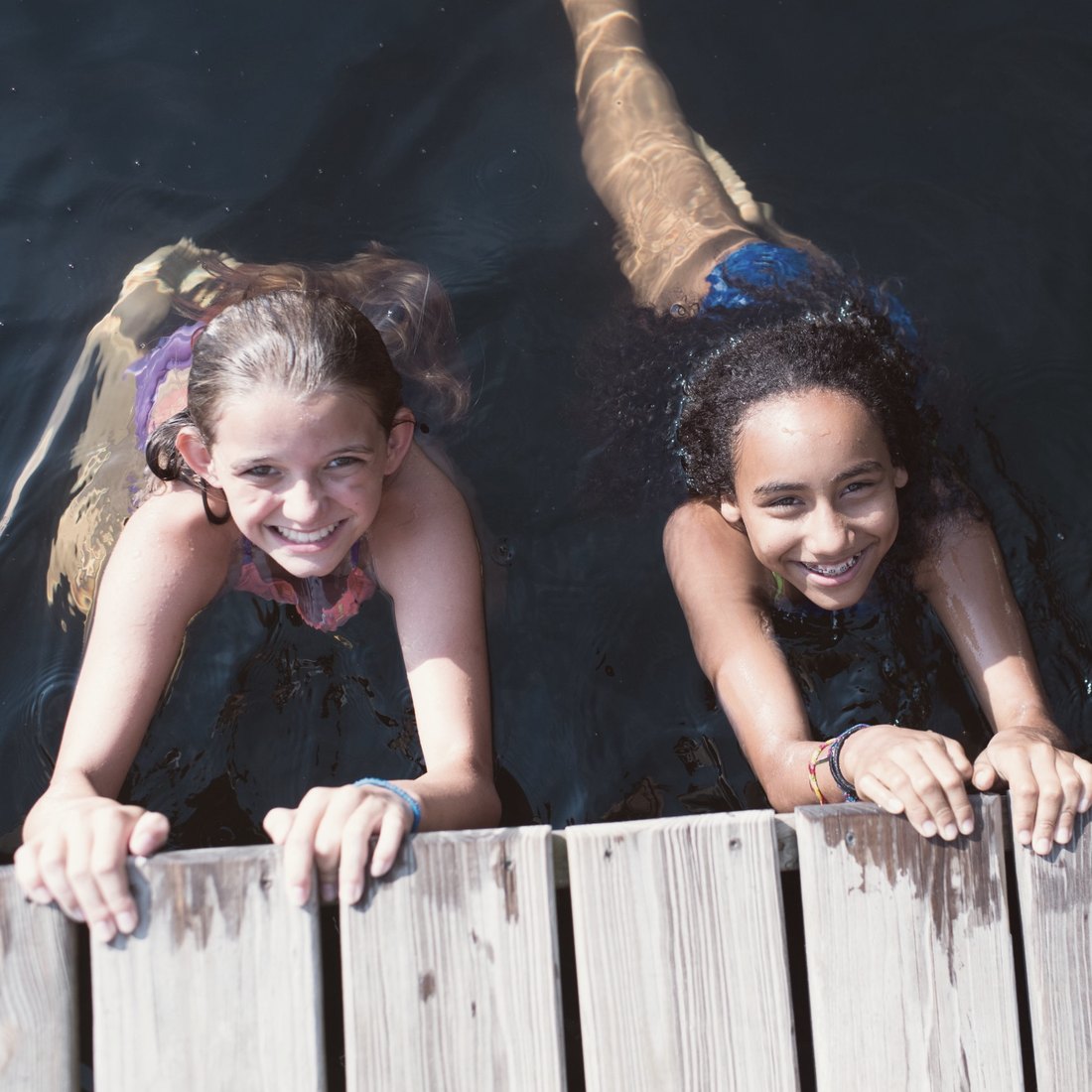

Choosing an activity they’ve never tried, and sticking with it

Keeping track of their own things, schedule and laundry

Working through a disagreement with a bunkmate

Asking a counselor for help, and learning they can

Missing home, and finding out they can feel that and still have fun

Cheering for someone else’s win, and learning to lose with grace
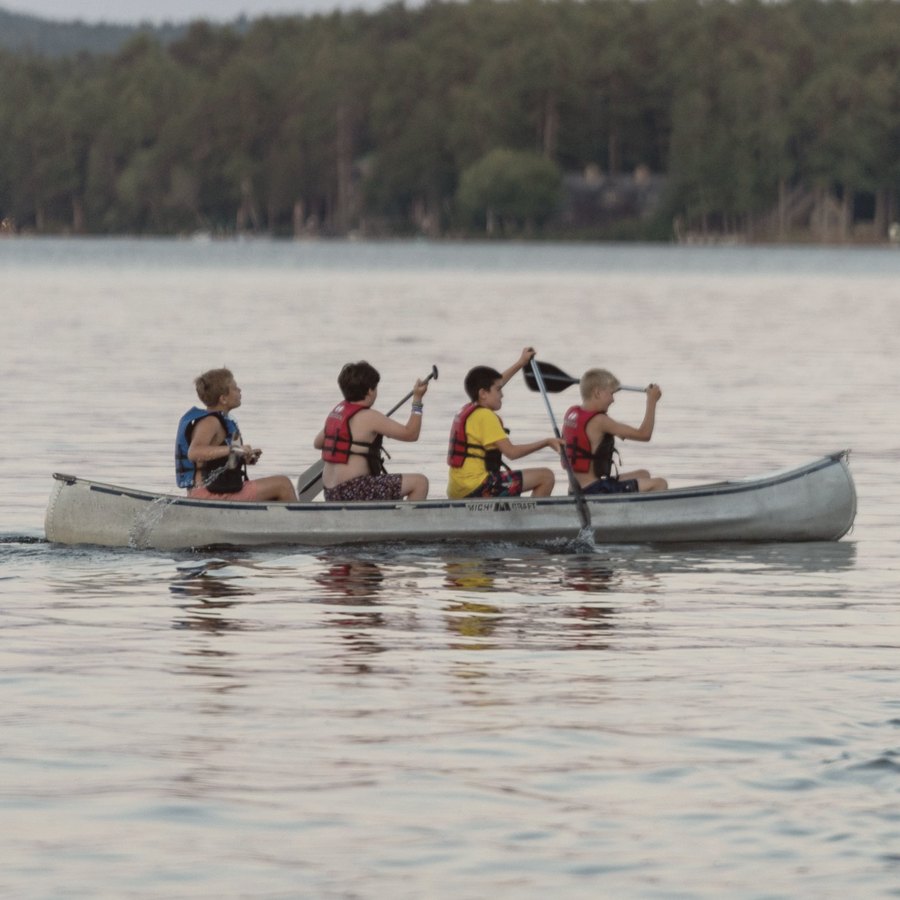
An unplugged childhood
why it matters now.
Today’s kids are growing up with a phone or smart device in reach and a parent a text away. That’s not a bad thing, but it leaves fewer chances to figure things out on their own.
Camp is one of the last places where childhood is fully unplugged. No screens, no group chats, no likes. Just face to face friendships, fresh air and the freedom to be a kid.
What the research says
camp helps kids grow.
In a national study, the American Camp Association found that parents, staff and campers themselves reported growth in self esteem, independence, leadership, friendship skills and willingness to try new things.
5,000+
families studied
80
accredited camps
5
areas of growth
The benefits grow when kids return summer after summer, which is why we look for a camp that can grow with your child. Source: American Camp Association
Skills that last a lifetime
ready for anything.
Camp is where kids practice the skills they’ll use for the rest of their lives. Every day brings small challenges: sharing a bunk, trying something new, working as a team, bouncing back when things don’t go their way. Without a parent stepping in, they learn to think it through and figure it out.
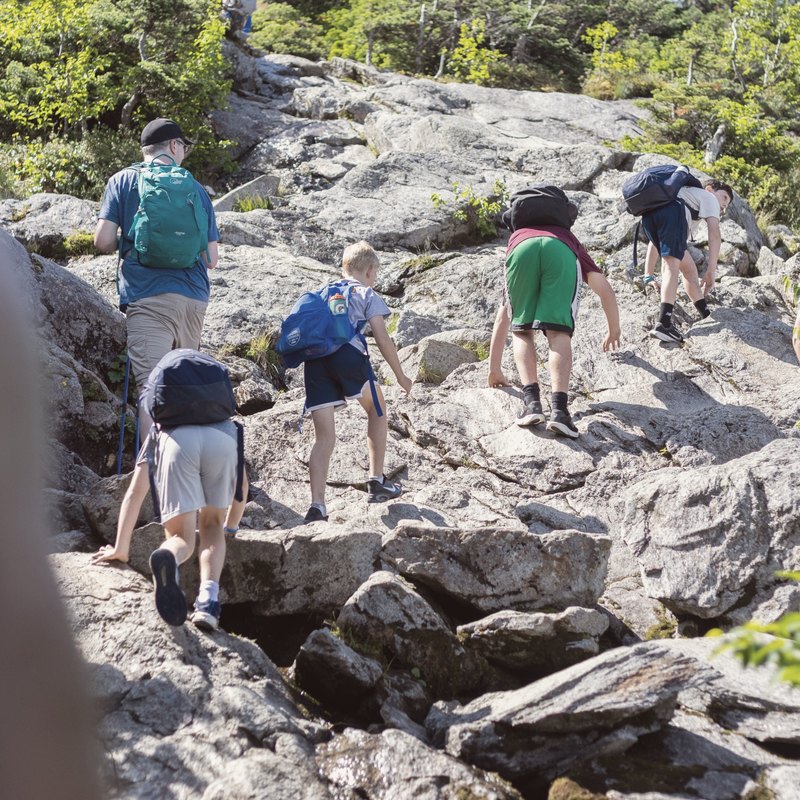
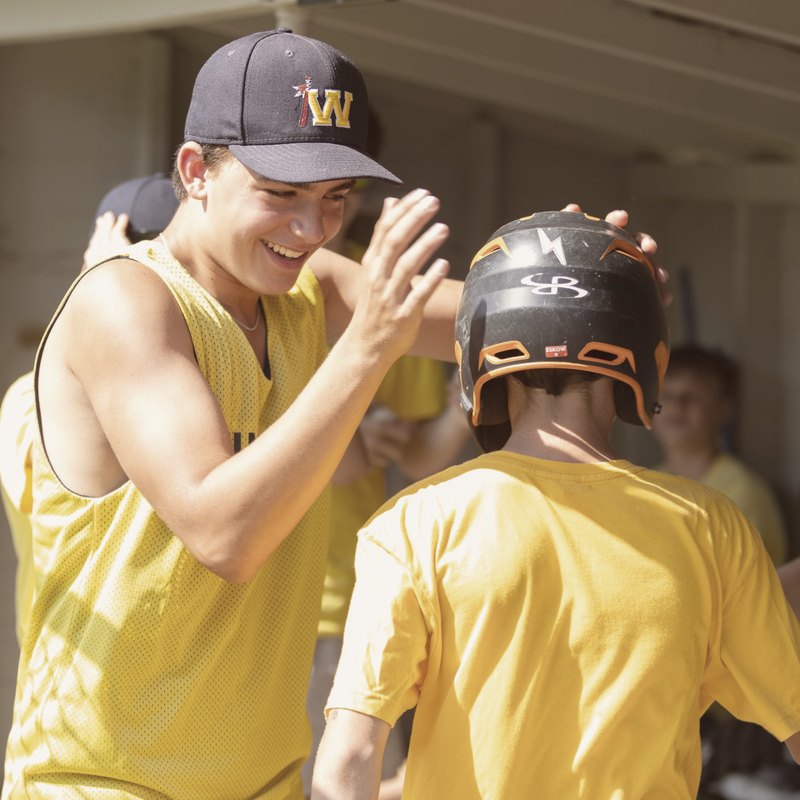
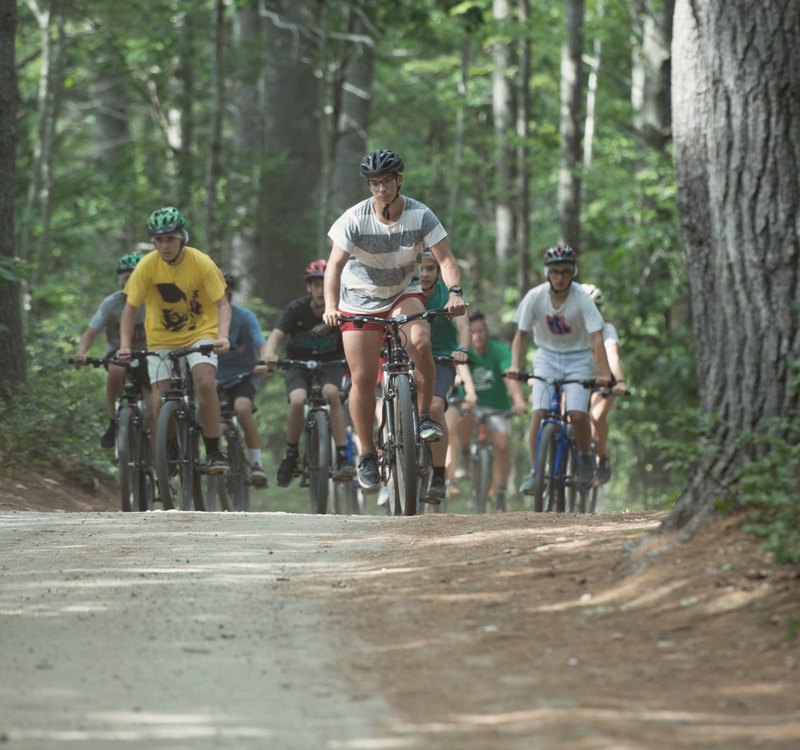
They’re the same skills colleges and employers look for, which makes a summer at camp one of the best investments you can make in your child’s future.
Before the bus pulls away
it starts at home.
You can begin building CAMP™ skills long before summer.
- Let them pack their own bag for school or a sleepover
- Practice a night or two away with family or friends
- Hand over small daily jobs and let them own the results
- Talk about nervousness as normal, not something to fix
Why sleepaway camp FAQs
you asked, we answered.
What are the benefits of sleepaway camp?
Camp builds independence, confidence, resilience and friendship skills in a setting designed for kids, with caring counselors close by. Research from the American Camp Association backs this up across thousands of families.
Is a screen free summer good for kids?
Yes. Weeks without phones give kids room to build real friendships, solve problems face to face and be fully present. Most campers adjust within days, and many say it’s their favorite part.
How do I know if my child is ready for sleepaway camp?
Readiness is something to work toward, not a box to check. Your Summer 365 Advisor helps you look at your child’s personality and comfort level, and find a camp and session length that fits.
What age should kids start sleepaway camp?
The entry window for many first time campers is after 2nd, 3rd, 4th or 5th grade. However, each child and family’s readiness happens at different times and age is never prohibitive of going to overnight camp and being successful. The right camp matters more than the age.